
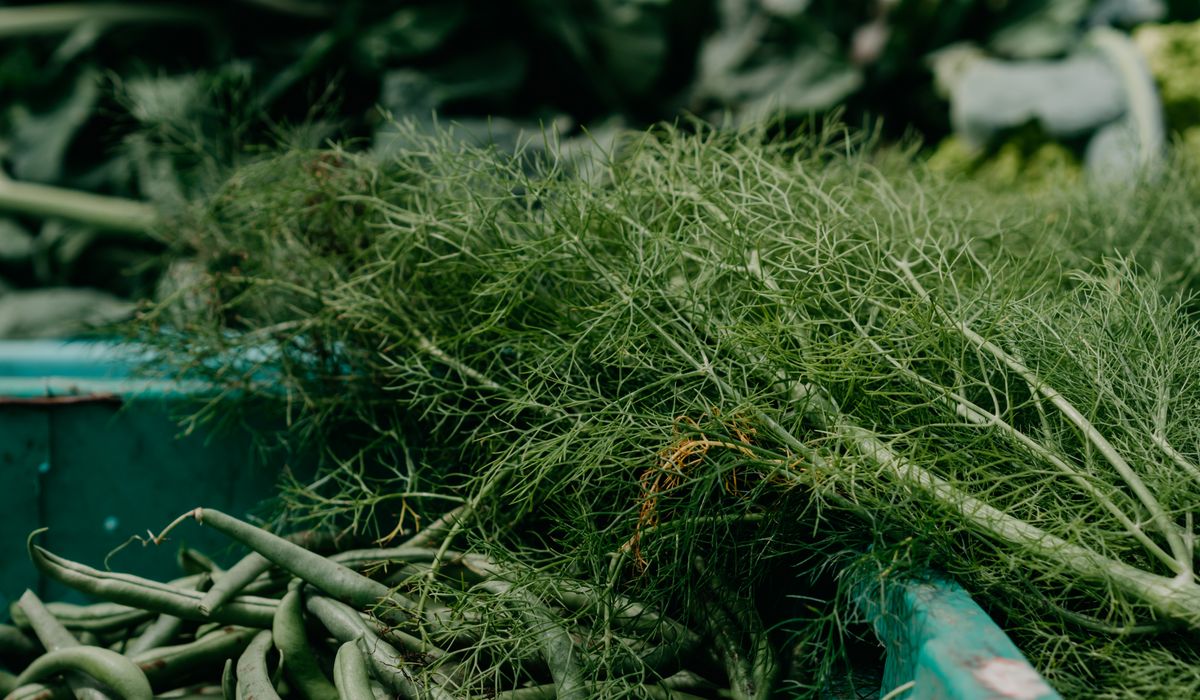
Why Supporting Small Farms Helps Local Food Systems
What Actually Happens When You Buy Direct
Most of the food in a supermarket has travelled a long way before it reaches your trolley. A lettuce might be cut, chilled, packed, driven to a regional depot, sorted again, driven to a national distribution centre and then out to individual stores. Each of those steps costs money, time and a little bit of quality. When you buy from a grower a few miles away, almost all of that disappears.
The practical effect is simple: fewer hands, fewer miles, less time between the field and your kitchen. That means produce is often harvested within a day or two of you eating it, rather than a week or more. It also means the money you spend goes mostly to the person who actually grew the food, not to a chain of intermediaries. For a smallholding running on tight margins, that difference is not romantic — it is the difference between continuing and packing up.
Money That Stays in the Local Economy
Farms are businesses, and small farms are often fragile ones. A grower selling wholesale to a large buyer has very little control over price. They take what they are offered, absorb the cost of packaging and transport, and wait weeks or months to be paid. Selling directly — through a farm shop, a box scheme, a market stall or a local pub — changes the arithmetic entirely.
When you buy direct, more of each pound stays with the grower. That money tends to circulate locally too. It pays wages for pickers and packers, it goes to the local feed merchant and the village garage, it supports a family that shops on the same high street. Research on local food economies consistently finds that money spent with independent producers recirculates in the area far more than money spent in a national chain.
- Better prices for growers, because they are not competing purely on volume.
- More local jobs, often part-time and flexible, which suits rural communities.
- Resilience: a region with many small producers is less vulnerable than one dependent on a handful of large suppliers.
- Choice: unusual varieties, heritage breeds and crops that do not travel well but taste superb.
Fresher Food, Better Cooking
There is a reason chefs gravitate towards small growers, and it is not sentimentality. Freshness is flavour. A carrot lifted yesterday is sweeter and crisper than one that has spent a fortnight in cold storage. New potatoes dug that morning need nothing but butter and salt. Tomatoes ripened on the vine rather than in a box taste like something else entirely.
This changes how you cook. When ingredients are this good, you do less to them. You roast, you dress, you simmer gently. You stop hiding vegetables under heavy sauces and start treating them as the main event. A weekly seasonal box quietly retrains your cooking instincts, because you learn to work with what is actually ready rather than what a supermarket has decided to stock year-round.
How to Buy From Local Growers
It is easier than many people assume. Start by looking at what is genuinely nearby — a farm within twenty or thirty miles is a good working definition of local.
- Farmers' markets are the quickest route in. Talk to the person behind the stall; they will tell you exactly when the beans were picked.
- Veg box schemes deliver a weekly selection, often with a choice of size and a no-potato option. Ask whether the box is genuinely local or simply an aggregation of imported produce.
- Farm shops and honesty boxes at the end of a lane are worth the detour, especially for eggs, honey and seasonal gluts.
- Pick-your-own for soft fruit in June and July — cheaper than buying, and a morning out.
- Local butchers, bakers and delis frequently stock produce from named nearby farms, so ask where things come from.
- Community supported agriculture schemes let you pay upfront for a season's share, giving the grower cash when they need it most.
Ask direct questions: where was this grown, when was it harvested, who grew it? Good growers are pleased to answer.
Growing a Little Yourself, Alongside Them
You do not need a smallholding to join in. A few square metres of garden, a couple of raised beds on a patio, or an allotment if you can get one will produce a surprising amount. Salad leaves, herbs, radishes, runner beans and courgettes are generous and forgiving. Even a windowsill of cut-and-come-again lettuce saves money and a plastic bag every week.
Growing your own also makes you a better customer. Once you have nursed a crop through a dry spell or lost a row to slugs, you understand why a punnet of local strawberries costs what it does. That sympathy turns into loyalty, and loyalty is what keeps small farms going.
Making the Most of What You Buy
Buying seasonally means weeks of abundance followed by weeks of nothing, so a little kitchen strategy helps. Learn two or three reliable ways to preserve a glut: a simple tomato sauce frozen in portions, courgettes grated and frozen for soup, soft fruit stewed and chilled. Keep a bag in the freezer for vegetable trimmings and make stock once a month.
Plan loosely rather than rigidly. Build meals around what is in the box, not the other way round. And accept that some weeks will be heavy on kale. That is the trade-off for eating food at its best, grown by people you could actually shake hands with — and for keeping a food system that works for your community, not just for a distant warehouse.
tag: Local Farms

Sophie Mitchell Author
Discover how to choose quality milk, cheese, butter and eggs while learning what labels and seasonal availability can tell you.
YOU MAY ALSO LIKE
Visiting a Farm Shop for Fresh Dairy and Eggs
Jul 12
10Find a nearby grower, understand weekly contents and adapt your cooking to the rhythms of a seasonal vegetable box.
read more
How to Join a Vegetable Box Scheme Locally
Jul 9
10Identify common brambles, pick away from busy roads and turn your harvest into crumbles, jams and cordials with confidence.
read moreSeasonal
-

ERRIC CATONA
Learn the leaves, scent and habitat of wild garlic, plus responsible picking tips for adding its mild flavour to soups and pesto.
May 19, 2016 at 5.12 pm
Reply
ERRIC CATONA
Harvest young nettle tops with gloves, then blanch them for soups, gnocchi or tea while respecting wildlife and private land.
May 19, 2016 at 5.12 pm
Reply -
ERRIC CATONA
Discover fresh greens, rhubarb and wild garlic as the growing season wakes up, with simple ways to bring lighter flavours to your table.
May 19, 2016 at 5.12 pm
Reply
Recipes
Your email address will not be published.