
Knife Skills Every Home Cook Should Practise
Why Good Knife Skills Matter More Than Fancy Equipment
Walk into any kitchen shop and you will be sold a gadget for every vegetable known to humanity. A mango slicer, an onion chopper, an avocado cradle. Yet the cooks who seem to glide through prep with the least fuss rarely own any of it. What they have is a sharp knife, a steady hand and a handful of habits practised until they became second nature.
Good knife work is not about speed for its own sake. It is about safety first, consistency second and enjoyment third. A diced onion that is roughly the same size cooks evenly. Herbs chopped properly release their oils rather than bruising into a green paste. Root vegetables cut into uniform chunks roast in the same time, so nothing turns to mush while something else stays raw.
If you grow your own produce or buy seasonal British veg from a market stall, you will be handling a lot of it. A glut of courgettes in August or a sack of muddy carrots in November is far less daunting when your knife skills are up to the job.
The Grip, the Claw and the Board
Before you chop anything, check two things: your knife is sharp and your board does not slide. A blunt knife is the most dangerous tool in the kitchen because it forces you to push and slip. A damp tea towel folded under the board solves the wobble in seconds.
Hold the knife by pinching the blade between thumb and forefinger, just where it meets the handle, with the remaining fingers wrapped around the handle. This gives you far more control than gripping it like a tennis racquet.
Your guiding hand forms what cooks call the claw. Curl your fingertips under and rest your knuckles against the flat side of the blade. The knife rides up and down against your knuckles, and your fingertips stay tucked safely behind them. The tip of the blade should stay roughly in contact with the board, so you are slicing rather than chopping up and down like a guillotine.
- Keep the blade sharp and honed before each session.
- Pinch the blade near the bolster for control.
- Curl your guiding hand into a claw, knuckles against the blade.
- Let the tip stay near the board and rock gently forward and back.
Onions Without the Tears
The onion is the great teacher. Get it right and you have learned half of what you need.
Halve the onion through the root, then peel back the papery skin. Lay each half flat side down, which gives you a stable surface. Now make horizontal cuts parallel to the board, stopping short of the root end. Then make vertical cuts down through the onion, again stopping short of the root. Finally slice across, and the onion falls into neat dice, held together by that root you have been protecting all along.
The root is your friend here. It holds the layers together while you cut, so you are not chasing loose slivers around the board. Slice it off last.
For crying, the usual advice about goggles is overkill. A very sharp knife does most of the work, because a clean cut releases less of the irritant than a bruising one. Chill the onion for twenty minutes beforehand if you are sensitive, and cut with a smooth rhythm rather than a series of heavy presses.
Herbs: Chopping Without Bruising
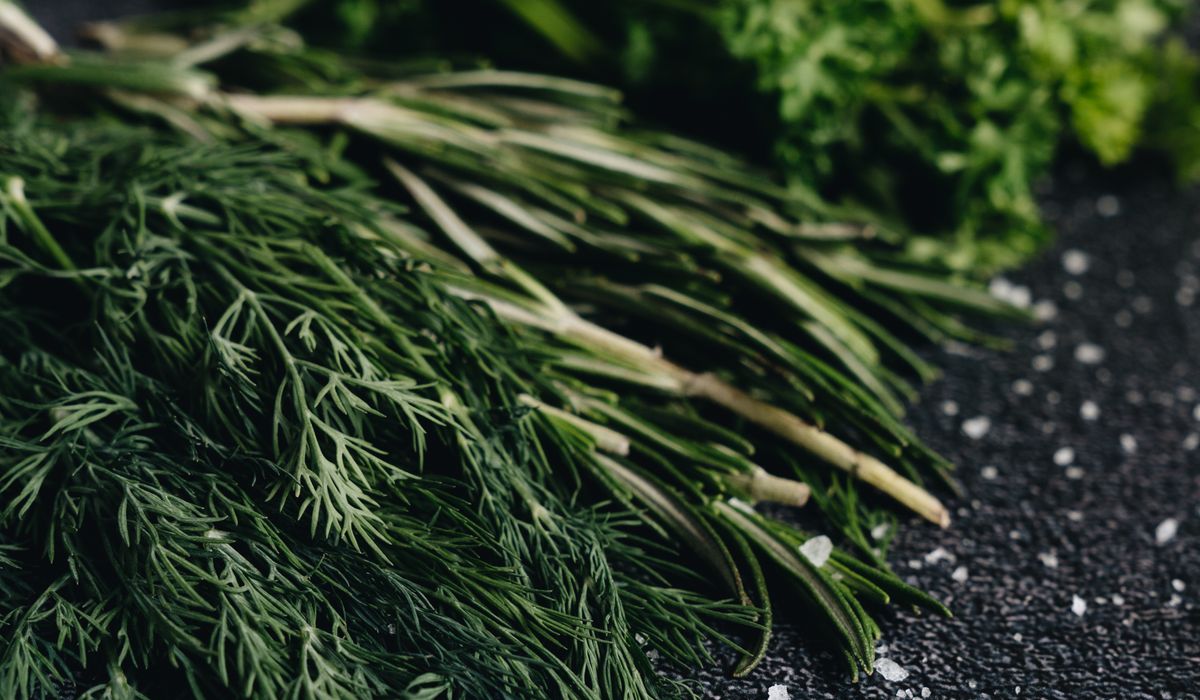
Soft herbs such as parsley, coriander, mint and basil bruise easily. Bruised leaves go dark, taste bitter and turn to sludge. The trick is to dry them thoroughly after washing, then chop with light, quick strokes rather than a heavy rocking motion.
Gather the leaves into a loose pile, roll them tightly into a rough cigar shape, and slice thinly across. Turn the pile a quarter turn and repeat if you want a finer finish. Do not chop endlessly. Two or three passes is usually plenty.
Woody herbs are a different matter. Rosemary and thyme have tough stems, so strip the leaves by running your fingers down the stalk against the direction of growth. Thyme leaves are small enough to use whole. Rosemary benefits from a fine chop, as the needles are tough and fibrous.
Basil is the exception that proves the rule. Tearing it by hand is kinder than chopping, especially if you are adding it raw to a salad or finished dish, because the cut edges oxidise and blacken.
Root Vegetables and the Art of the Even Chunk
Root vegetables are dense, awkwardly shaped and unforgiving of a dull blade. A carrot will roll, a swede will resist, a butternut squash will test your nerve. All of them reward a little planning.
First, create a flat surface. Cut a thin slice from one side of a carrot or potato so it sits still on the board. Once it is stable, cut it into batons or slices of a consistent thickness, then turn those and cut again into dice. This is the same logic as the onion: stable shapes produce safe, even cuts.
For hard squash, cut it in half, scoop out the seeds, then lay each half flat and slice downwards. Do not try to force the knife through the widest part. Let the blade do the work and never lever it sideways, which is how tips snap off.
- Square off round vegetables so they sit flat.
- Cut into consistent slices first, then batons, then dice.
- Keep your fingers behind the claw at all times.
- Sharpen before tackling squash or swede, not after.
Practising Deliberately
Knife skills are a physical habit, not a piece of knowledge. Reading about them is a start, but ten minutes of deliberate practice twice a week will do more than any article.
Next time you cook, slow down by a quarter. Watch where the blade lands, notice whether your knuckles are guiding it, and check that your cuts are even. Speed will arrive on its own, quietly, after the accuracy is there. The reward is a quieter, tidier kitchen, prep that takes minutes rather than half an hour, and the particular pleasure of handling good seasonal produce with confidence.
tag: Kitchen Skills

Oliver Bennett Author
Use salt, acid, fat and heat thoughtfully to lift everyday meals, even when you are cooking with humble ingredients.
YOU MAY ALSO LIKE
Building Flavour with Simple Store Cupboard Basics
Jul 20
10Buying directly from growers can shorten supply chains, support rural livelihoods and bring fresher produce to your kitchen.
read more
Why Supporting Small Farms Helps Local Food Systems
Jul 16
10Discover how to choose quality milk, cheese, butter and eggs while learning what labels and seasonal availability can tell you.
read moreSeasonal
-

ERRIC CATONA
Find a nearby grower, understand weekly contents and adapt your cooking to the rhythms of a seasonal vegetable box.
May 19, 2016 at 5.12 pm
Reply
ERRIC CATONA
Identify common brambles, pick away from busy roads and turn your harvest into crumbles, jams and cordials with confidence.
May 19, 2016 at 5.12 pm
Reply -
ERRIC CATONA
Learn the leaves, scent and habitat of wild garlic, plus responsible picking tips for adding its mild flavour to soups and pesto.
May 19, 2016 at 5.12 pm
Reply
Recipes
Your email address will not be published.