
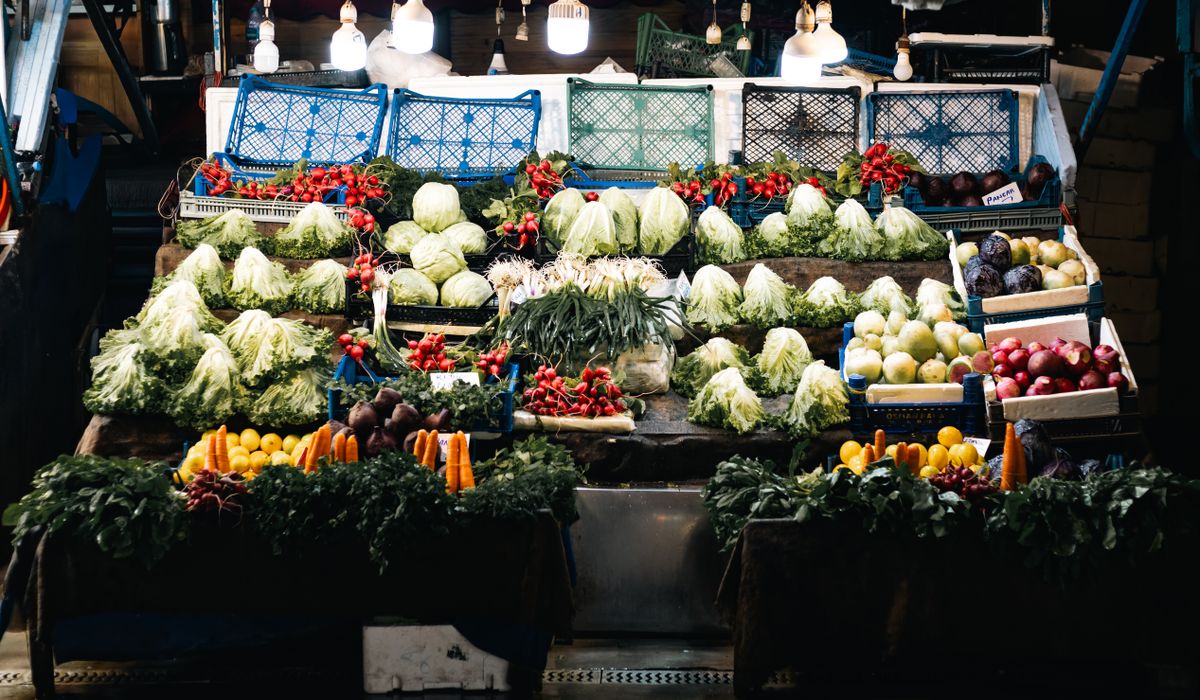
Start a Small Vegetable Patch in a Back Garden
Choosing the Right Spot
Most vegetables need six hours of direct sun a day. A sheltered, sunny spot makes all the difference. Watch your garden for a week and pick the sunniest, most sheltered spot. Avoid shade from fences, sheds and overhanging trees. A water source nearby saves endless trips with a can. Check access too: leave room to kneel, wheel a barrow and reach plants without treading on soil. If you only have a patio, deep containers or grow bags will still give you salads, herbs and bush tomatoes. Start close to the kitchen door so you notice when things need water. A south-facing wall or fence is ideal, but east or west will suit leafy crops.
Planning Your Beds
Raised beds are easiest. Make them no wider than 1.2 metres so you can reach the middle from either side. Paths of 30–45 centimetres are fine; wider if you use a barrow. Don’t build more than you can manage. Two or three beds of 1.2m by 2.4m will feed a small household well if you sow successionally. In open ground, mark beds with string, dig only where you plant, and never walk on the soil. Rotate crops each year: leafy, root, legume and fruiting groups. This simple habit helps prevent pests and diseases building up in the soil.
- Leafy — salad, spinach, chard.
- Roots — carrots, beetroot, radishes.
- Legumes — runner beans, peas.
- Fruiting — tomatoes, courgettes, peppers.
Improving Your Soil
British soils vary from clay to sand, but all benefit from organic matter. In autumn, spread a 5cm layer of well-rotted manure or compost and let worms pull it down. No-dig beds build structure and keep weed seeds buried. Clay needs compost and grit for drainage; sandy soil needs compost to hold water. Test pH: most veg prefer 6.5 to 7.0. Add lime if acidic, compost if alkaline. A fortnight before sowing, sprinkle blood, fish and bone at the recommended rate. Never dig wet clay — wait until it crumbles. Mulch bare soil to lock in moisture. Start a compost bin or leaf mould pile; it is the cheapest way to keep your patch fertile.
Easy Crops for a Small Patch
Start with generous, forgiving crops. Salad leaves: sow a pinch every three weeks from March to September for cut-and-come-again harvests. Radishes are ready in four weeks and mark rows nicely. Courgettes are prolific — two plants are plenty. Runner beans crop heavily up a wigwam or trellis. Chard and kale are tough, productive and decorative enough for a border. Beetroot is reliable and stores well. Early potatoes in bags are a joy to dig. Bush tomatoes do well in a sunny pot. Herbs like parsley, chives and mint are expensive to buy but easy to grow. Leave celery, aubergines and peppers until you have a season’s experience.
Sowing and Planting Through the Year
From March, sow hardy salads, radishes and broad beans outdoors once the soil warms. Start tomatoes, courgettes and beans indoors on a windowsill in April. Harden them off before planting out after the last frost, usually late May. In June, sow French beans, beetroot and more salad. July is for winter salads and kale. In autumn, plant garlic, broad beans and overwintering onions. Winter is quiet, but you can harvest leeks, kale and sprouts, and protect salads with fleece or a cloche. Keep a simple notebook of what you sow and when. After a season, you will know which varieties thrive in your patch.
Keeping the Patch Productive
Water deeply once or twice a week, preferably in the morning. Little and often encourages shallow roots. Hoe weeds on a dry day before they seed. Mulch with compost or straw. Net brassicas against pigeons and butterflies; plant marigolds or nasturtiums to distract pests. Harvest often: courgettes, beans and salad leaves keep producing if picked young. Let a few plants go to seed for next year or for the birds. At season’s end, clear debris, spread compost and plan next year’s rotation. Start small, keep it close to the door, and you will be eating your own vegetables before you know it.
tag: Grow Your Own

James Hargreaves Author
Keep parsley, basil, mint and chives within reach by choosing the right containers, light and watering routine for healthy indoor herbs.
YOU MAY ALSO LIKE

Growing Herbs in Pots on a Kitchen Windowsill
Sep 2
10Balance greens and browns, turn your heap regularly and avoid common mistakes to create rich compost for garden beds and containers.
read more
How to Make Compost at Home Without Smells
Aug 27
10Learn how to spot fresh produce, ask useful questions and build relationships with growers, bakers and makers in your nearest market town.
read moreSeasonal
-

ERRIC CATONA
Plan loosely around what looks best, then combine market finds with pantry staples to create flexible breakfasts, lunches and dinners.
May 19, 2016 at 5.12 pm
Reply
ERRIC CATONA
Keep leafy greens crisp, roots cool and soft fruit unharmed with simple storage methods that reduce waste and protect flavour.
May 19, 2016 at 5.12 pm
Reply -
ERRIC CATONA
Use ripe fruit and a reliable setting test to make small-batch jam that captures summer flavour for toast, cakes and yoghurt.
May 19, 2016 at 5.12 pm
Reply
Recipes
Your email address will not be published.