
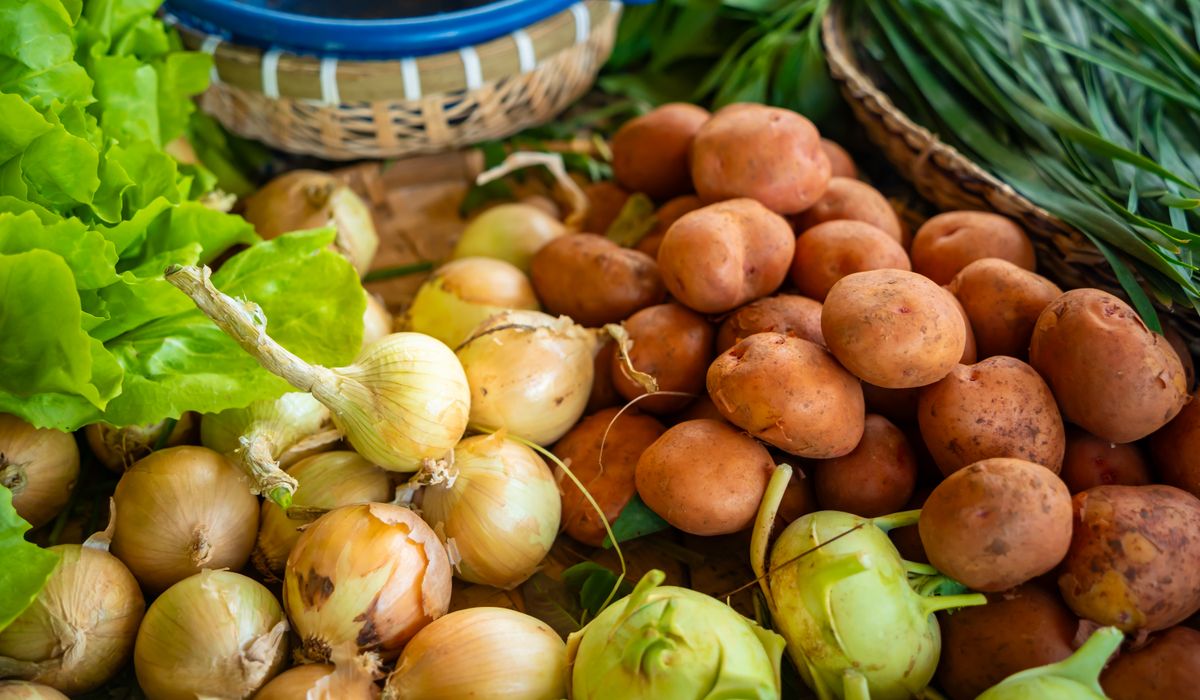
Seasonal Salad with Beetroot, Walnuts and Goat's Cheese
A salad for the colder months
Salad has something of an image problem in Britain. We associate it with July, with limp lettuce, with something slightly apologetic sitting at the edge of a plate. But the best salads I eat all year turn up between October and March, built from roots, nuts and cheese, and eaten while the rain runs down the kitchen window.
The combination of sweet roasted beetroot, crunchy walnuts and creamy goat's cheese is the one I come back to most often. It is sweet, earthy, salty and peppery all at once, and every element can be prepared ahead. It is also, pleasingly, a dish where the British growing calendar does most of the work for you.
Start with the beetroot
Beetroot is one of the most dependable crops a small grower can put in the ground. It tolerates a bit of neglect, crops over a long window and stores well. If you are sowing your own, look for 'Boltardy' for reliability, 'Detroit Dark Red' for deep colour, 'Chioggia' if you like the pink-and-white rings, or 'Golden' for something sweeter. Sow direct from March, thin the seedlings to about 10cm apart, and sow a short row every three weeks until July for a steady supply rather than a glut.
To roast them, scrub rather than peel, and twist off the leaves leaving about 2cm of stalk so the roots do not bleed. Wrap each one loosely in foil with a sprig of thyme, a bay leaf, a splash of water and a pinch of salt. Roast at 200°C (180°C fan, gas 6) for 45 to 70 minutes depending on size — a skewer should slide in with no resistance at all. Let them cool until you can handle them, then rub the skins off with kitchen paper. Expect purple hands; an old pair of washing-up gloves is not a bad idea.
Cut them into wedges while still warm and dress them straight away with a little cider vinegar, salt and a spoonful of oil. Warm beetroot absorbs flavour far better than cold, and this one step makes the difference between a good salad and a flat one. Roasted beetroot keeps for four or five days in a lidded container in the fridge, which is half the reason this dish is so useful on a busy week.
Toasted walnuts and a sharp dressing
Walnuts need toasting, always. Spread the halves in a dry frying pan over a medium heat for three or four minutes, tossing regularly, until they smell nutty and have darkened very slightly. Tip them out of the pan immediately — they go from toasted to bitter in under a minute. An oven at 160°C for eight minutes works just as well if you have other things going on.
For the dressing, enough for four people, shake together in a jar:
- 1 tsp Dijon mustard
- 1 tsp runny honey, or a pinch of soft brown sugar
- 1 tbsp cider vinegar or red wine vinegar
- 3 tbsp rapeseed oil
- Salt and plenty of black pepper
Rapeseed is the right oil here: it is British, it has a gentle pepperiness, and it does not fight the beetroot. Taste the dressing before you use it and make it sharper than feels comfortable. The beetroot is sweet and the cheese is rich, so the vinegar is what keeps the whole plate in balance. If you have any roasting juices left in the foil, stir a spoonful in.
Leaves with a bit of bite
Forget cos or iceberg. You want the peppery, mustardy end of the salad shelf: wild rocket, watercress, land cress, mizuna, red mustard, winter purslane, young chard, or tender spinach leaves picked small. Allow a generous handful per person.
These are also the easiest things to grow in a British winter. Sow a winter salad mix under fleece or in a cold frame in late August and early September and you can cut from it right through to March. On a windowsill, a small tray of rocket sown thickly will give you a handful a week from a cut-and-come-again harvest — snip the outer leaves with scissors and leave the crown to regrow. Water little and often, and you will usually get three or four cuts before the plants give up.
Dress the leaves at the very last moment. A minute in vinaigrette is plenty; any longer and they soften and slump.
The cheese, and how to assemble it
There are two good routes with goat's cheese. A soft, rindless log can be sliced into thick coins and used cold, or warmed in a hot oven or under the grill for two or three minutes until it just slumps — warm goat's cheese against cold beetroot is a genuinely excellent thing. A firmer, crumbly cheese is better crumbled over in rough chunks so you get salty pockets through the salad.
Build it in layers: dressed leaves first, then beetroot wedges, then walnuts, then cheese. Spoon a little extra dressing over the top, scatter with chopped chives or thyme, and serve with bread to mop up. Use a wide, shallow bowl or a large plate rather than piling everything into a deep one.
Making it a proper lunch
The salad is a good side as it stands, but it becomes a full meal with any of the following:
- Cooked lentils or butter beans, dressed while still warm
- Roasted squash or celeriac, straight from yesterday's tray
- A sliced apple or pear for extra sharpness
- Two or three rashers of crisp streaky bacon, crumbled over
- A soft-boiled egg, halved, per person
If you are cooking for a crowd, roast the beetroot and toast the walnuts on a Sunday and keep them separate in the fridge. On the day, assembly takes five minutes. Keep any leftover salad undressed if you possibly can — dress only what you are eating, and store the beetroot in its own container so it does not stain the leaves. Eaten within a day, it will still be better than most things you could buy for lunch.
tag: Recipes

Sophie Mitchell Author
Plan beds, improve soil and choose easy crops for a productive patch, even if you only have a modest outdoor space to work with.
YOU MAY ALSO LIKE

Start a Small Vegetable Patch in a Back Garden
Sep 5
10Keep parsley, basil, mint and chives within reach by choosing the right containers, light and watering routine for healthy indoor herbs.
read more
Growing Herbs in Pots on a Kitchen Windowsill
Sep 2
10Balance greens and browns, turn your heap regularly and avoid common mistakes to create rich compost for garden beds and containers.
read moreSeasonal
-

ERRIC CATONA
Learn how to spot fresh produce, ask useful questions and build relationships with growers, bakers and makers in your nearest market town.
May 19, 2016 at 5.12 pm
Reply
ERRIC CATONA
Plan loosely around what looks best, then combine market finds with pantry staples to create flexible breakfasts, lunches and dinners.
May 19, 2016 at 5.12 pm
Reply -
ERRIC CATONA
Keep leafy greens crisp, roots cool and soft fruit unharmed with simple storage methods that reduce waste and protect flavour.
May 19, 2016 at 5.12 pm
Reply
Recipes
Your email address will not be published.