
Freezing Garden Produce for Winter Cooking
Why the Freezer Earns Its Place in the Garden Year
There comes a point every summer when the kitchen counter disappears under a tide of runner beans, courgettes and bolted salad leaves. That's the moment the freezer stops being a machine full of peas and ice lollies and becomes a proper piece of kitchen kit. Freezing is the quietest way to preserve a glut: no jars to sterilise, no vinegar smell, no waiting for a pantry shelf to fill. Do it well and you'll be eating your own broad beans in February, tasting far better than anything you could buy.
The trick is that freezing isn't simply a matter of bagging things up and shoving them in. A little preparation — blanching, portioning, labelling — makes the difference between vegetables that come out of the freezer as good as they went in and a frosty bag of mush you'll avoid all winter.
Blanching: The Step Worth Doing Properly
Blanching halts the enzymes that slowly dull flavour, colour and texture in the freezer. It takes minutes and it's the single most useful habit you can build. You'll need a large pan of boiling water, a bowl of iced water, a colander, a slotted spoon and a clean tea towel.
- Bring a big pan of water to a rolling boil — plenty of it, so the temperature doesn't drop when the veg goes in.
- Drop in prepared veg in small batches. Keep the water boiling hard.
- Time from the moment the water returns to the boil. Roughly: peas and broad beans 2 minutes, French and runner beans 2–3 minutes, broccoli and cauliflower florets 3 minutes, sliced carrots 2–3 minutes, spinach and chard leaves 1–2 minutes until just wilted.
- Lift straight into iced water for the same length of time. This keeps them firm and bright.
- Drain thoroughly and pat dry with a tea towel. Surface water turns into ice crystals, which is what makes frozen veg soggy.
For courgettes, either blanch sliced rounds for 2 minutes, or skip the pan entirely and grate them raw, squeezing out the excess water, ready for fritters and soups. Leafy greens can be blanched, squeezed into balls and frozen whole — wonderfully convenient for a winter minestrone.
Fruit: Mostly No Blanching Required
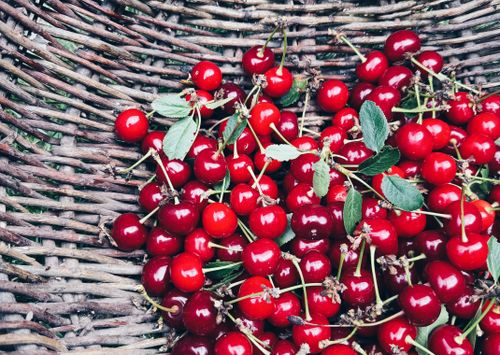
Most soft fruit freezes beautifully with no cooking at all. Raspberries, blackcurrants, gooseberries and cherries are best spread in a single layer on a tray lined with greaseproof paper, frozen until solid, then tipped into bags. That way you get loose berries rather than one solid block, and you can shake out a handful for a crumble without defrosting the lot.
- Rhubarb: chop into short lengths, freeze raw and use straight in pies and compotes.
- Apples and pears: peel, core and slice, toss in a little lemon juice to stop browning, then tray-freeze. Or stew lightly and freeze in tubs.
- Plums and damsons: halve and stone them, freeze on trays, then bag up. Excellent for jam later when the kitchen is cooler.
- Strawberries: slice larger ones and freeze flat. They soften on thawing, so plan for sauces, smoothies and ice cream rather than eating raw.
Portioning for the Meals You Actually Cook
The best freezer is organised around dinners, not around harvests. Think about the pan you'll be cooking in come November: a bag of beans that's exactly one serving is far less useful than one that fills the steamer for a family meal. Freeze in meal-sized portions, and where you can, freeze flat.
Lay bags of blanched beans, peas or chopped spinach flat on a shelf until solid, then stack them like files. They take up a fraction of the space and thaw in minutes. Soups, tomato sauces, stewed fruit and purées are easiest in rigid tubs, leaving a couple of centimetres of headspace for expansion. Herbs deserve their own treatment: chop soft herbs such as parsley, basil and coriander into an ice cube tray, top with water or a little oil, and freeze. One cube equals roughly a tablespoon, ready to drop into a hot pan.
Tomatoes are worth a special mention. In a good year, halve them, roast with a little oil and garlic until collapsed, then freeze the lot in tubs. That's the base of half your winter cooking, done in one afternoon.
Labelling, Rotating and Knowing What Not to Freeze
Every bag and tub gets a label: what it is, the date it went in, and how much is inside. Masking tape and a marker pen do the job perfectly. Keep a running list on the freezer door or your phone so you're not rummaging blind in January.
Use the oldest items first. Most blanched vegetables are at their best within eight to twelve months; fruit within a year; soups and sauces within three months for the best flavour. A freezer kept at minus 18°C or below will hold things safely for longer, but quality, not safety, is what fades.
A few things are simply not worth freezing. Raw potatoes turn black and grainy — blanch or part-cook them first. Salad leaves, cucumbers and radishes collapse into water. Whole eggs in their shells will crack, and soft cheeses become crumbly. Courgettes and aubergines defrost soft, which is fine for ratatouille and soups but disappointing if you were hoping for slices.
Get into the rhythm of dealing with a glut the day you pick it, while the kettle's still warm and the veg is at its best, and the freezer will quietly carry your garden right through to spring.
tag: Preserving

Eleanor Whitaker Author
Understand gluten, rhythm and resting to shape a better loaf, with clear steps for confident home baking without a mixer.
YOU MAY ALSO LIKE
How to Knead Bread Dough by Hand
Jul 28
10Learn safe chopping techniques for onions, herbs and root vegetables to make prep faster, tidier and more enjoyable in the kitchen.
read more
Knife Skills Every Home Cook Should Practise
Jul 24
10Use salt, acid, fat and heat thoughtfully to lift everyday meals, even when you are cooking with humble ingredients.
read moreSeasonal
-

ERRIC CATONA
Buying directly from growers can shorten supply chains, support rural livelihoods and bring fresher produce to your kitchen.
May 19, 2016 at 5.12 pm
Reply
ERRIC CATONA
Discover how to choose quality milk, cheese, butter and eggs while learning what labels and seasonal availability can tell you.
May 19, 2016 at 5.12 pm
Reply -
ERRIC CATONA
Find a nearby grower, understand weekly contents and adapt your cooking to the rhythms of a seasonal vegetable box.
May 19, 2016 at 5.12 pm
Reply
Recipes
Your email address will not be published.