
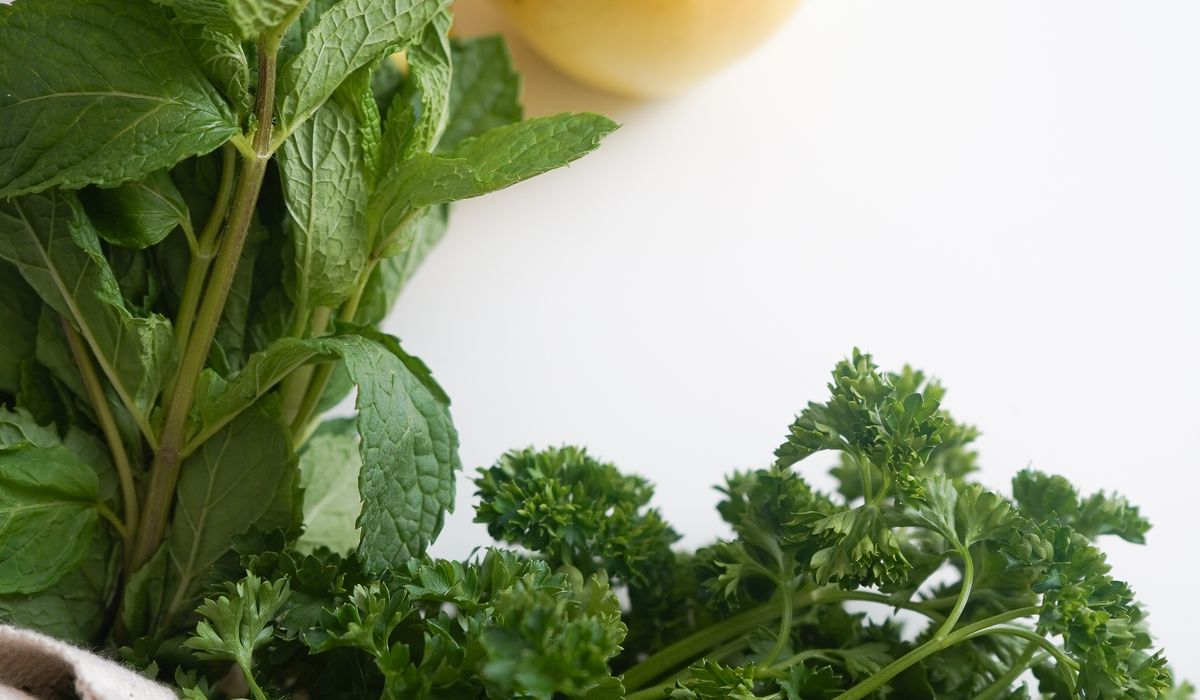
Building Flavour with Simple Store Cupboard Basics
Start With What You Have
Some of the best meals I've eaten have come out of a bag of leeks, a few potatoes and whatever was lurking in the cupboard. Good cooking isn't about collecting expensive ingredients; it's about knowing how to make ordinary things taste like more. The four tools that do most of that work are salt, acid, fat and heat. They cost pennies, they're already in your kitchen, and once you start using them deliberately you'll notice the difference in everything from a bowl of soup to a plate of roast greens.
Here's how each one earns its place.
Salt: Season in Layers, Not at the End
Salt doesn't just make food salty. It suppresses bitterness, boosts sweetness and helps flavour travel. That's why a pinch added early tastes different from the same pinch added at the table, and why good cooks season at every stage rather than once.
- Salt your water properly. For pasta, potatoes and blanching greens, the water should taste seasoned, like a mild sea water. Under-salted water is the reason so many home-cooked vegetables taste flat.
- Salt ahead where you can. Give chopped aubergine or courgette twenty minutes with a scattering of salt, then pat dry — they'll fry rather than steam. Salt a chicken an hour before it goes in the oven, or a pan of sliced onions as soon as they hit the fat.
- Use the right salt for the job. Fine salt for cooking, where you want it to dissolve; flakes for finishing, where you want little bursts of crunch on tomatoes, boiled eggs or a baked potato.
- Remember sweet things. A pinch in stewed rhubarb, an apple crumble or a batch of shortbread makes the fruit taste more of itself.
Acid: The Lift Most Cooks Miss
If a dish tastes heavy, dull or just "nearly there", it's usually acid that's missing rather than salt. Acid sharpens flavours, cuts through fat and makes everything taste fresher and more alive.
Keep a lemon on the go and a few vinegars in the cupboard — cider, red wine, white wine, and a splash of something aged — and you'll never be stuck. Try these:
- A squeeze of lemon over steamed purple sprouting broccoli or buttered kale, right before it goes to the table.
- A teaspoon of cider vinegar stirred into a lentil or bean stew at the end of cooking, once the pan is off the heat.
- A spoonful of yoghurt or crème fraîche swirled through a spicy soup or a tray of roasted roots.
- A few capers, cornichons or pickled onions chopped into a sauce, a salad or a sandwich.
Add acid a little at a time and taste as you go. A teaspoon too much and you'll know it; a teaspoon too little and you'll simply wonder why the dish is forgettable.
Fat: The Carrier of Flavour
Many flavour compounds in herbs, spices and vegetables are fat-soluble, which means fat is what carries them to your tongue. Take the fat out and the flavour goes with it.
Use the right fat for the job. Rapeseed or sunflower oil for high heat; olive oil for dressing, drizzling and gentle cooking; butter for greens, sauces and anything that benefits from that nutty sweetness; dripping or lard for roast potatoes, because nothing crisps quite like it.
Two habits are worth adopting straight away. First, bloom your spices: a minute in warm oil before the liquid goes in transforms cumin, paprika, coriander and mustard seed. Second, finish with a knob of cold butter off the heat — swirl it into a pan sauce, a bowl of mashed swede or a pot of beans and watch it turn silky.
Heat: Colour Means Flavour
Most of the deep, savoury flavour in home cooking comes from browning, and browning needs a hot pan and a bit of patience.
- Preheat properly. Let the pan come up to temperature before anything goes in. If the oil doesn't shimmer, it isn't ready.
- Dry your ingredients. Wet mushrooms, wet potatoes and wet greens steam instead of fry. A clean tea towel is a cook's best friend.
- Don't crowd the pan. Two batches of onions that go properly golden will beat one crowded pan that turns to mush, every time.
- Give it time. Let a chicken thigh sit undisturbed until it releases itself from the pan. Let a cabbage char in a hot dry pan before you add butter. Let a joint of meat go in hotter than you think for the first twenty minutes.
A Flavour Kit Worth Keeping
None of this requires a special shopping trip, but a few staples make it easier to reach for the right tool:
- Flaky sea salt and fine salt
- Lemon, cider vinegar, red wine vinegar
- Olive oil, rapeseed oil, butter
- Mustard, capers, a jar of pickles
- Yoghurt or crème fraîche
- Black pepper, plus a couple of whole spices you actually use
Then comes the real skill: tasting constantly and adjusting. Before a dish leaves the kitchen, ask yourself four questions. Does it need salt? Does it need acid? Would a little fat round it out? Would more colour make it taste better? Answer honestly, fix what's missing, and humble ingredients will keep surprising you — a bag of leeks included.
tag: Kitchen Skills

James Hargreaves Author
Buying directly from growers can shorten supply chains, support rural livelihoods and bring fresher produce to your kitchen.
YOU MAY ALSO LIKE
Why Supporting Small Farms Helps Local Food Systems
Jul 16
10Discover how to choose quality milk, cheese, butter and eggs while learning what labels and seasonal availability can tell you.
read more
Visiting a Farm Shop for Fresh Dairy and Eggs
Jul 12
10Find a nearby grower, understand weekly contents and adapt your cooking to the rhythms of a seasonal vegetable box.
read moreSeasonal
-

ERRIC CATONA
Identify common brambles, pick away from busy roads and turn your harvest into crumbles, jams and cordials with confidence.
May 19, 2016 at 5.12 pm
Reply
ERRIC CATONA
Learn the leaves, scent and habitat of wild garlic, plus responsible picking tips for adding its mild flavour to soups and pesto.
May 19, 2016 at 5.12 pm
Reply -
ERRIC CATONA
Harvest young nettle tops with gloves, then blanch them for soups, gnocchi or tea while respecting wildlife and private land.
May 19, 2016 at 5.12 pm
Reply
Recipes
Your email address will not be published.