
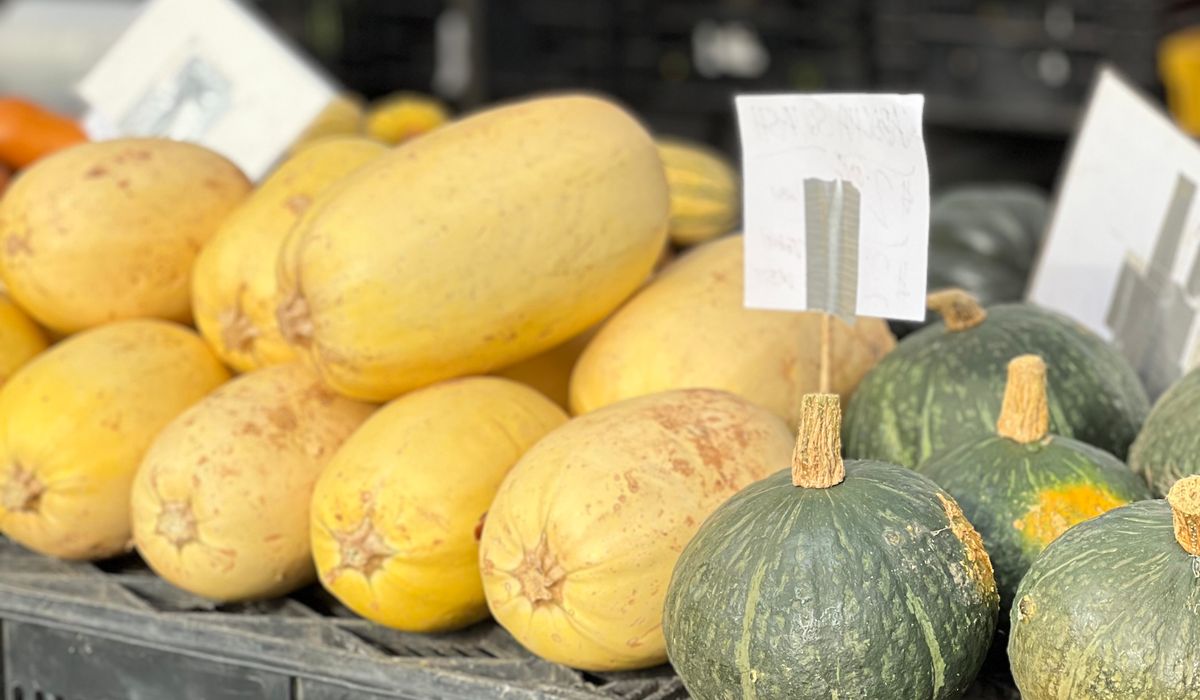
A Guide to Seasonal British Fruit and When to Buy It
There is a particular pleasure in biting into a strawberry that was growing in a field an hour ago, or in the sharp scent of a freshly picked apple. British fruit, grown in our cool, damp climate, has a character all of its own. It may not always be as uniform as imported supermarket fruit, but what it lacks in polish it makes up for in flavour. The trick is knowing what is in season and how to spot a good one. This guide walks you through the British fruit calendar, with practical tips for choosing, cooking and even growing your own.
Late Spring and Early Summer: The First Real Treats
By late April and May, the first forced rhubarb has finished, but outdoor rhubarb is still going strong. Look for stalks that are firm and crisp, with a deep pink colour and glossy skin. Avoid any that are limp or hollow. Gooseberries arrive next, from late May into June. Green gooseberries are mouth-puckeringly sharp and perfect for fools and crumbles, while dessert varieties turn a translucent yellow-green and can be eaten raw. The first outdoor strawberries usually appear in early June, though a warm spell can bring them forward. A ripe strawberry should be uniformly red, with no white shoulders, and should smell sweet before you even taste it. Pick-your-own farms are at their best now, so take the family and fill a punnet.
High Summer: Berries, Cherries and Currants
July and August are the golden months for British fruit. Raspberries, blackcurrants, redcurrants and white currants all ripen in quick succession, followed by blackberries in late summer. British cherries have a short but glorious season, usually from mid-June to late July. When choosing raspberries, look for dry, bright berries that come away from the plug easily; if the punnet is stained with juice, they are overripe. Cherries should be plump and glossy, with green stems and a deep colour for sweet varieties. Currants should be firm and shiny, still attached to their strigs. This is the time to make jam, freeze berries on trays, and bake a proper summer pudding. Blackberries picked from hedgerows in late August are a free feast, but avoid those growing low down where dogs may have been.
Early Autumn: Plums, Damsons and Early Apples
From late August into September, plums, damsons and greengages take centre stage. A ripe plum will have a slight give when gently squeezed at the stem end, and its natural bloom—that dusty white coating—should be intact. Damsons are smaller and tarter, ideal for gin, jam and hedging. Early apples such as Discovery and Worcester Pearmain are ready to pick from late August. They are crisp and sharp, best eaten straight from the tree or within a few days. This is also the moment to start thinking about preserving: a damson cheese or spiced plum chutney will see you through winter.
Late Autumn and Winter: Apples, Pears and Stored Fruit
October is the peak of the British apple harvest. Maincrop varieties like Cox’s Orange Pippin, Bramley’s Seedling and Egremont Russet are ready. Choose apples that feel heavy for their size, with firm, unblemished skin and a sweet, grassy aroma. Pears are trickier: they ripen from the inside out, so a pear that is soft near the neck is ready, even if the base is still firm. Conference and Comice are the classic choices. Quince, that golden, knobbly fruit, is also harvested in October; it is too hard to eat raw but turns a magical pink when cooked. Store apples and pears in a cool, dark, slightly damp place—a garage or shed works well—and check them regularly for rot. Forced rhubarb from Yorkshire appears again in January, a welcome burst of pink in the depths of winter.
How to Choose Ripe Fruit: A Practical Checklist
- Strawberries: deep red all over, sweet smell, no soft or mushy patches.
- Raspberries: dry, bright, slide off the plug easily; eat within a day or two.
- Cherries: plump, glossy, green stems; dark colour for sweet varieties.
- Plums: slight softness at the stem, bloom intact, fragrant.
- Apples: heavy, firm, no bruises or soft spots; aroma should be fresh.
- Pears: check the neck—if it gives slightly, it is ready; otherwise ripen at room temperature.
- Rhubarb: firm, crisp stalks, glossy skin; avoid floppy or hollow ones.
Cooking and Growing with the Seasons
Planning meals around British fruit is not about deprivation; it is about anticipation. A strawberry in June tastes all the sweeter because you have waited for it. When you have a glut, turn to preserving: freeze berries individually on a tray before bagging them, make jam with equal weights of fruit and sugar, or bottle plums in syrup. Chutneys and fruit cheeses are excellent ways to use up windfalls and less perfect specimens. If you have a garden or even a balcony, growing your own is deeply rewarding. Plant a rhubarb crown in a sunny spot and you will crop for years. Strawberries grow happily in towers or hanging baskets. Apples and pears can be trained as espaliers against a wall, and cherries as fans. Even a single blueberry bush in a large pot of ericaceous compost will give you a handful of fruit each summer. Visit farmers’ markets and farm gates, talk to the growers, and let the seasons lead your menu. That is the quiet joy of British fruit.
tag: Seasonal

Sophie Mitchell Author
A hands-off traybake that turns humble vegetables into a satisfying dinner, finished with lemon, herbs and a spoonful of yoghurt.
YOU MAY ALSO LIKE
Simple Weeknight Recipe for Roasted Cauliflower and Chickpeas
Sep 14
10Master the creaming method, bake even layers and fill your sponge with jam and cream for a teatime favourite that never goes out of style.
read more
How to Make a Classic British Victoria Sponge Cake
Sep 12
10Combine sweet roasted beetroot, crunchy walnuts and creamy cheese with peppery leaves for a vibrant lunch that works in cooler months.
read moreSeasonal
-

ERRIC CATONA
Plan beds, improve soil and choose easy crops for a productive patch, even if you only have a modest outdoor space to work with.
May 19, 2016 at 5.12 pm
Reply
ERRIC CATONA
Keep parsley, basil, mint and chives within reach by choosing the right containers, light and watering routine for healthy indoor herbs.
May 19, 2016 at 5.12 pm
Reply -
ERRIC CATONA
Balance greens and browns, turn your heap regularly and avoid common mistakes to create rich compost for garden beds and containers.
May 19, 2016 at 5.12 pm
Reply
Recipes
Your email address will not be published.