

How to Store Market Produce So It Lasts Longer
Good storage starts at the stall
Most of the food we throw away was never going to last, because it was already tired when it came home. A quick word with the person who grew it or sold it tells you more than any label: ask which day the leaves were cut, whether the berries were picked this morning, and which crate you should be buying from. That single question has saved me more money than any gadget.
A few habits at the market pay for themselves all week. Shop for fragile things last, so the soft fruit isn't crushed under a bag of potatoes. Take your own bags and a shallow box or basket — punnets stacked on top of each other bruise the fruit at the bottom. In summer, keep a cool bag in the boot, and never leave a bag of salad on a warm car seat while you finish your errands.
Leafy greens: the crispness problem
Leaves rot when they're wet and wilt when they're dry, so the trick is to keep them damp, not wet. Wash salad only when you're about to eat it, and pick over the bag the moment you get home, removing anything slimy or yellowing — one bad leaf will take the rest with it.
- Soft herbs (parsley, coriander, mint, dill): trim the stalks, stand them in a jar with an inch of water, cover loosely with a paper bag or a reused shower cap, and keep them on a fridge shelf.
- Basil: the exception. Cold turns the leaves black. Treat it like a houseplant — jar of water, worktop, out of direct sun.
- Hard herbs (rosemary, thyme, sage): roll in a slightly damp tea towel, then into a bag in the door or a drawer.
- Salad leaves and spinach: line a lidded box with a clean dry cloth, lay the leaves in loose layers, and let the cloth drink the condensation.
- Watercress and rocket: happiest in a jar of water in the fridge, stems down.
Wilted greens aren't dead. Stand the stems in cold water for twenty minutes and most will come back to attention.
Roots, brassicas and the cool, dark place
Roots want cold, dark and a little humidity. Twist or cut the leafy tops off carrots, beetroot and turnips as soon as you can — those tops keep drawing moisture out of the root.
- Carrots, parsnips, beetroot, celeriac: a paper bag or a lidded box lined with a barely damp cloth, in the bottom of the fridge. If you have a cool shed or garage, a box of damp sand will keep roots for weeks.
- Potatoes: paper sack, dark, cool and dry. Never the fridge, where the starch turns sweet, and never in the same place as onions — each makes the other sprout.
- Onions and garlic: plaited, netted or loose in a basket, in cool moving air.
- Cabbage, kale, sprouts: bagged loosely rather than sealed, used within a week. Sprouts left on the stalk keep far longer than loose ones.
- Mushrooms: a paper bag or a cloth over a bowl. Cling film turns them to slime.
Soft fruit: handle it as if it's already bruised
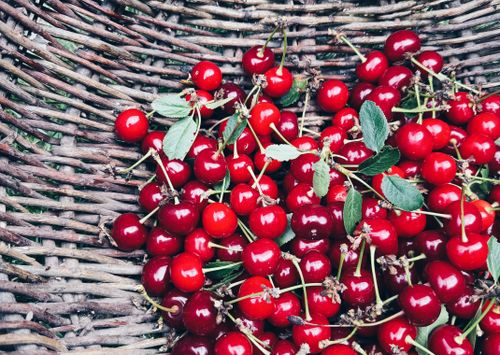
Berries are the most wasted thing in the basket. Don't wash them until the moment you eat them, then tip the punnet out gently, discard anything crushed or mouldy, and lay the rest in a single layer on kitchen paper inside a lidded box.
- If you can't get through them in two days, a quick dip in one part vinegar to ten parts water, dried thoroughly, buys extra time — though it does soften the flavour slightly.
- Strawberries keep well in the fridge but taste of almost nothing straight from the cold. Bring them out half an hour before serving.
- Stone fruit: ripen firm peaches, plums and apricots on the worktop, shoulder-side down, then move to the fridge. A chilled peach is a disappointment; a warm one is a celebration.
- Gooseberries, rhubarb and currants: fridge, loosely bagged and used within a few days. Anything past its best freezes beautifully — spread on a tray first, then bag once solid.
The never-refrigerate list
Cold does real damage to some things, and a fridge can quietly ruin the flavour of food you've paid good money for.
- Tomatoes: worktop, stem-side down, out of direct sun. The cold destroys the compounds that make them taste of summer.
- Bananas: room temperature, well away from everything else. They release ethylene, which ripens — and then spoils — whatever sits beside them. Separate the bunch to slow them down.
- Bread: a bin or a paper bag. The fridge stales it faster, though the freezer is excellent — slice it first.
- Whole avocados: room temperature until ripe, then a day or two in the fridge at most.
- Cucumbers, aubergines and peppers: happiest somewhere cool and airy, though they'll tolerate a few days chilled.
Small habits that cut waste every week
None of this needs equipment. It needs a bit of attention and a good routine.
- Keep the fridge between 3°C and 5°C, and don't pack it tight — cold air has to move around the food.
- Line the salad drawer with a clean tea towel and wash it weekly.
- Start a "use first" bowl on the worktop and build one meal a week around it.
- Keep a bag in the freezer for stock trimmings: herb stalks, carrot peelings, onion ends, mushroom stems.
- Label and date anything you freeze, and use the oldest first.
Store well and you'll shop less often, spend less, and cook with better ingredients. It's the simplest kind of thrift, and it tastes better too.
tag: Markets

James Hargreaves Author
Use ripe fruit and a reliable setting test to make small-batch jam that captures summer flavour for toast, cakes and yoghurt.
YOU MAY ALSO LIKE
Making Easy Fruit Jam Without Pectin
Aug 11
10Create crunchy pickles with vinegar, salt and spices, ready to serve alongside cheese, cold meats and salads throughout the year.
read more
Pickling Onions and Cucumbers for a British Pantry
Aug 5
10Blanch, portion and label vegetables and fruit so you can enjoy garden gluts long after the growing season has ended.
read moreSeasonal
-

ERRIC CATONA
Understand gluten, rhythm and resting to shape a better loaf, with clear steps for confident home baking without a mixer.
May 19, 2016 at 5.12 pm
Reply
ERRIC CATONA
Learn safe chopping techniques for onions, herbs and root vegetables to make prep faster, tidier and more enjoyable in the kitchen.
May 19, 2016 at 5.12 pm
Reply -
ERRIC CATONA
Use salt, acid, fat and heat thoughtfully to lift everyday meals, even when you are cooking with humble ingredients.
May 19, 2016 at 5.12 pm
Reply
Recipes
Your email address will not be published.