
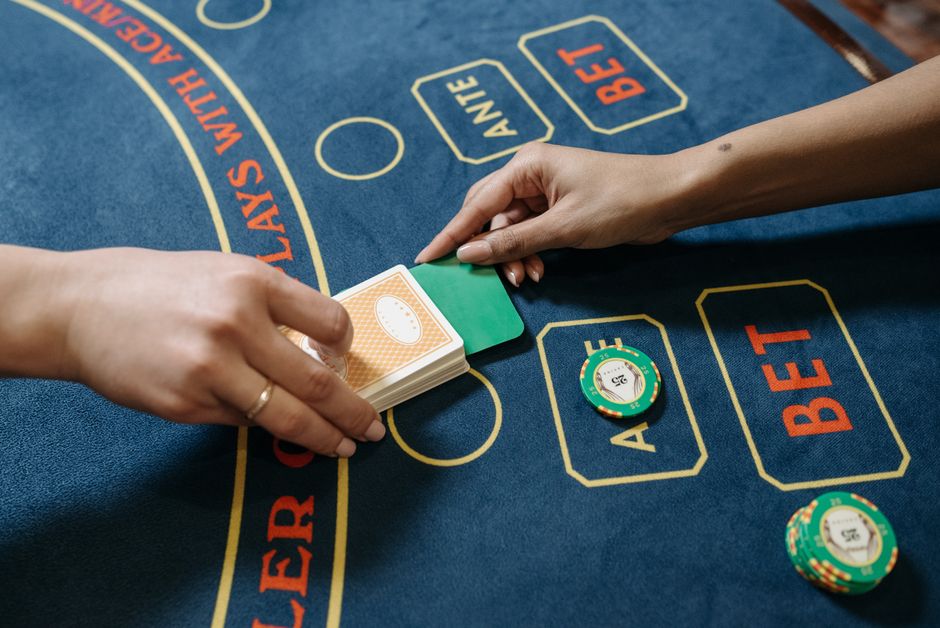
Inside iGaming: Slots, Poker, and the Psychology of the Bet
There is a specific sound a slot machine makes when it pays out — a cascading, coin-clatter chime that manufacturers design to trigger the same dopamine response as a jackpot several thousand times larger. It is not an accident. The entire iGaming industry, from the slot reels to the poker table to the sportsbook app, is built on a deep understanding of human psychology mixed with cold mathematical probability. And whether you are a casual player or someone who takes the games seriously, understanding how this world actually works will make you a smarter participant.
The Slot Machine Is Not Random (In the Way You Think)
Most players assume slots are purely random. They are not. Every modern slot operates on a Random Number Generator, or RNG, which is constantly producing numbers even when no one is playing. The moment you hit spin, the RNG locks in a result. But here is the crucial part: the game does not use physical reels. The spinning animation you see is a cosmetic overlay. The mathematical result is already decided the millisecond you press the button.
What matters is the Return to Player percentage, or RTP. A slot with a 96% RTP is designed to pay back 96 cents for every dollar wagered over millions of spins. The house edge is that remaining 4%. This sounds small, but it is the engine of profitability for casinos. Compare that to a game like blackjack, where basic strategy can reduce the house edge to under 1%, and you start to see why slots are the most profitable product on any casino floor.
Different slots also have different volatility. Low-volatility slots pay small amounts frequently — they are the comfort food of gambling. High-volatility slots, like many of the Megaways titles, can go hundreds of spins without a win but offer massive upside. Choosing the right volatility for your bankroll is more important than chasing a "hot" machine.
Poker Is the Only Game Where You Play the Opponent
Here is the fundamental difference: in slots, blackjack, and roulette, you play against the house. In poker, you play against other people. The house simply takes a rake — a small percentage of each pot — and steps aside. This means poker is the one game in the casino where a skilled player can genuinely have a positive expected value over the long run.
That does not mean it is easy. Online poker in 2024 is a shark tank. Solvers — software programs that calculate game-theory optimal plays — have made the highest-stakes games incredibly tough. But lower stakes are still beatable for disciplined players. The key is understanding position, pot odds, and player tendencies.
- Position matters more than cards. Acting last gives you information. A marginal hand like 7-8 suited is far more playable on the button than under the gun.
- Pot odds are non-negotiable. If you have a flush draw with nine outs on the turn, you need roughly 4-to-1 pot odds to call profitably.
- Exploit, don't just balance. At low stakes, players call too much and bluff too little. Value bet relentlessly and cut your bluffs in half.
One concrete tip: track your win rate in big blinds per 100 hands (bb/100). A solid winning player at micro-stakes might hit 5 to 8 bb/100. If you are losing at -10 bb/100, you are not unlucky — you are leaking money on specific streets. Review your hand histories weekly.
Sports Betting: The Margin Is Everything
When you look at a football match with odds of 1.90 for both sides, the bookmaker is not being generous. Fair odds would be 2.00 on each side. That gap — the overround or vig — is how sportsbooks make money. The margin is usually between 2% and 8% depending on the sport and market.
Successful bettors focus on closing line value (CLV). If you bet a team at 2.10 and it closes at 1.95, you got value. Over hundreds of bets, beating the closing line is a stronger predictor of long-term profit than any single win. This is why sharp bettors often bet early or on niche markets — player props, corners, or lower-league games where bookmakers have less data and softer lines. Take a look at OK68 for a fuller picture.
Also, understand that bookmakers limit winning accounts. If you consistently beat the closing line, you will see your maximum stake reduced or your account closed. It is not personal; it is risk management. The smartest bettors use multiple books to shop for the best odds and avoid drawing attention.
Bankroll Management Separates Players from Gamblers
This is the least exciting topic and the most important. A player without a bankroll plan is not a player — they are a donor. The rule is simple: never bet more than 1% to 2% of your total dedicated bankroll on a single bet. If you have $500 set aside for poker, your standard buy-in should be $5 to $10. For sports betting, a flat 1% stake is a proven approach.
- Separate your gambling bankroll from your living expenses. Physically, if possible.
- Set a stop-loss for each session. If you lose three buy-ins, walk away.
- Track every bet in a spreadsheet. Emotion fades; data does not.
- Withdraw profits regularly. Money on a site is not real until it is in your bank.
Almost every problem gambler started with a win. The psychological trap is that early success rewires your brain to believe you can beat the math. You cannot beat the math of slots. You can only manage your exposure to it. In poker and betting, edges exist, but they are small and require discipline to realize.
The Regulatory Squeeze and What It Means for You
iGaming regulation is tightening across major markets. The UK, Sweden, and several US states now require affordability checks, deposit limits, and stricter advertising rules. For players, this means fewer bonuses and more verification. For operators, it means consolidation. The era of unlimited, unregulated offshore gambling is fading.
Is that a bad thing? Not necessarily. Regulated markets offer legal recourse, responsible gambling tools, and protected deposits. The trade-off is lower odds, weaker bonuses, and more hoops to jump through. The wise player accepts the trade-off and uses the tools — deposit limits, time-outs, reality checks — as a fence around their own worst impulses.
One practical note: always check the licensing authority. A Malta Gaming Authority or UK Gambling Commission license means something. A Curacao license is a red flag for player dispute resolution. If there is no visible license, there is no safety net.
The Real Edge Is Knowing When to Stop
The casino industry does not need to cheat you. The mathematics is already in its favor. Slots have a built-in edge. Sportsbooks have a margin. Even in poker, the rake eats into your winnings. Your only real advantages are discipline, game selection, and the ability to walk away when the edge disappears.
That is not a cynical conclusion. It is an empowering one. Once you understand that the house always has an edge except in specific, skill-based situations, you stop chasing losses and start treating gambling as entertainment with a cost. The best iGaming players are not the ones who win the most. They are the ones who last the longest without bleeding out. Play smart, track everything, and never bet what you cannot afford to lose. The chime of the slot machine is designed to make you forget that. Your job is to remember.
tag: iGaming

Sophie Mitchell Author
Make the most of earthy harvest produce with warming soups, traybakes and salads that celebrate the colours and textures of autumn.
YOU MAY ALSO LIKE
What to Cook with Autumn Squash and Root Vegetables
Sep 22
10From strawberries in early summer to apples in autumn, learn how to choose ripe fruit and plan meals around the best of the British growing calendar.
read more
A Guide to Seasonal British Fruit and When to Buy It
Sep 16
10A hands-off traybake that turns humble vegetables into a satisfying dinner, finished with lemon, herbs and a spoonful of yoghurt.
read moreSeasonal
-

ERRIC CATONA
Master the creaming method, bake even layers and fill your sponge with jam and cream for a teatime favourite that never goes out of style.
May 19, 2016 at 5.12 pm
Reply
ERRIC CATONA
Combine sweet roasted beetroot, crunchy walnuts and creamy cheese with peppery leaves for a vibrant lunch that works in cooler months.
May 19, 2016 at 5.12 pm
Reply -
ERRIC CATONA
Plan beds, improve soil and choose easy crops for a productive patch, even if you only have a modest outdoor space to work with.
May 19, 2016 at 5.12 pm
Reply
Recipes
Your email address will not be published.